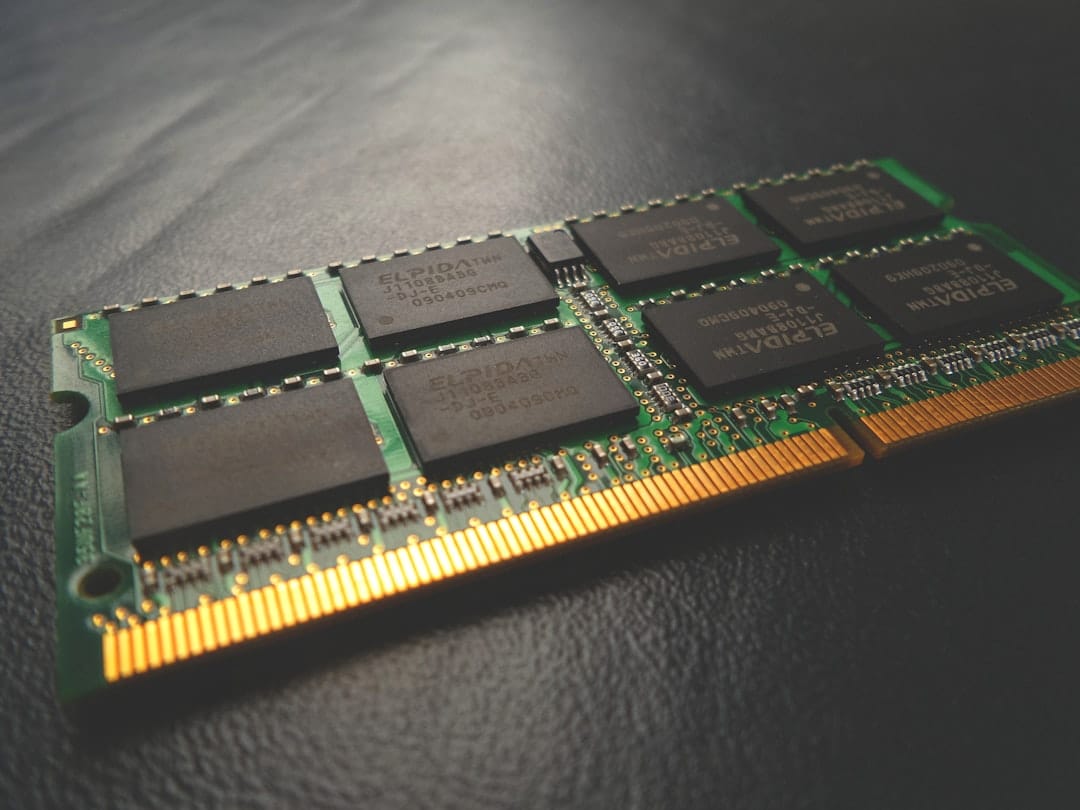
If you are planning a homelab build or RAM upgrade right now, the numbers are bad and getting worse.
A 32 GB (2×16 GB) DDR5-6000 kit that sold for $100–200 in October 2025 now starts at $350 — and stock frequently runs out within hours of appearing. That is a 75–250% price increase in seven months, depending on where you were buying. Tom's Hardware tracks this daily and the curve has not flattened.
What is driving this
Three forces are compounding:
HBM cannibalisation. Every gigabyte of HBM capacity added removes roughly three gigabytes of conventional DRAM from the global supply pool, because the same fabs and the same wafer starts are involved. NVIDIA, SK Hynix, Samsung, and Micron are all prioritising HBM and server DRAM because the margin per wafer is far higher. Consumer DDR5, LPDDR5X, and GDDR7 are all lower priority.
Cascading price jumps. TrendForce reported conventional DRAM contract prices rose 90–95% QoQ in Q1 2026. Their Q2 2026 forecast is a further 58–63% increase. NAND flash is moving faster: up ~60% in Q1, projected 70–75% in Q2 — the first time NAND has outpaced DRAM in the current cycle. Gartner projects combined DRAM and SSD prices will be up 130% by end of 2026 compared to end of 2025.
The Samsung wildcard. Government-mediated wage talks at Samsung's fabs collapsed. An 18-day union walkout is scheduled May 21–June 7. South Korea's Labour Minister made an in-person appeal to Samsung's Pyeongtaek campus on May 15; the union says it will not return without written guarantees on bonus reform. Samsung manufactures a substantial share of global DRAM and NAND. Even a partial production stoppage at Pyeongtaek during this period adds acute disruption risk on top of a structural shortage.
What this means for hardware budgets
The downstream effects are already visible:
| Component | Price movement |
|---|---|
| DDR5 32 GB kit | $100–200 (Oct 2025) → $350+ (May 2026) |
| NAND wafers | +60% QoQ Q1 2026, +70–75% projected Q2 |
| Dell server hardware | +17% across the board (March 2026) |
| Server lead times | Stretched to 4–8 weeks at major OEMs |
Cloud providers are locking in long-term supply agreements, which pulls more capacity away from the spot market that homelabbers and small teams depend on. IDC has quantified the current supply-demand gap at approximately 4% for DRAM and 3% for NAND — small percentages that translate into large price swings when inventory buffers are thin.
When does it ease
Not soon. IDC warns the constraint could persist "well into 2027." TrendForce says meaningful capacity expansion is unlikely before late 2027 or 2028. New fab construction takes years and tens of billions of dollars. Even if Samsung, SK Hynix, and Micron announced consumer-focused fabs today, those chips would not reach shelves before 2029.
What I would do
I would not buy DDR5 or SSDs speculatively right now — pre-buying to avoid future price increases is the logic that is driving the current panic, and that demand itself is part of what is sustaining prices.
If you have an immediate need, buy the exact capacity you need today and no more. Avoid "future-proofing" upgrades that can wait six months; the calculus may look different by then, particularly if the Samsung walkout resolves quickly or HBM demand softens.
If you are planning a new homelab build, consider whether a smaller DDR5 config now plus an upgrade path later is more sensible than maxing out RAM at current prices. The constraint on 70B+ model inference is not going away — but overpaying by 2–3× for RAM that sits mostly idle is a poor trade.
GPU buyers are affected too. GDDR7 shortages are making RTX 50-series cards expensive and scarce; GDDR6 cards from the previous generation are not escaping the price pressure either.
Sources
- Tom's Hardware — RAM price index 2026
- Tom's Hardware — Taiwanese memory module makers raise $880M to stockpile chips
- TechTimes — AI server spending has nearly doubled DRAM prices, Samsung walkout risk
- PCMag — Why have laptop prices spiked this year? The great RAM crunch explained
- SoftwareSeni — How the AI memory crunch is reshaping the global chip supply chain
- Tim Ventura / Medium — The AI hardware panic is history repeating itself