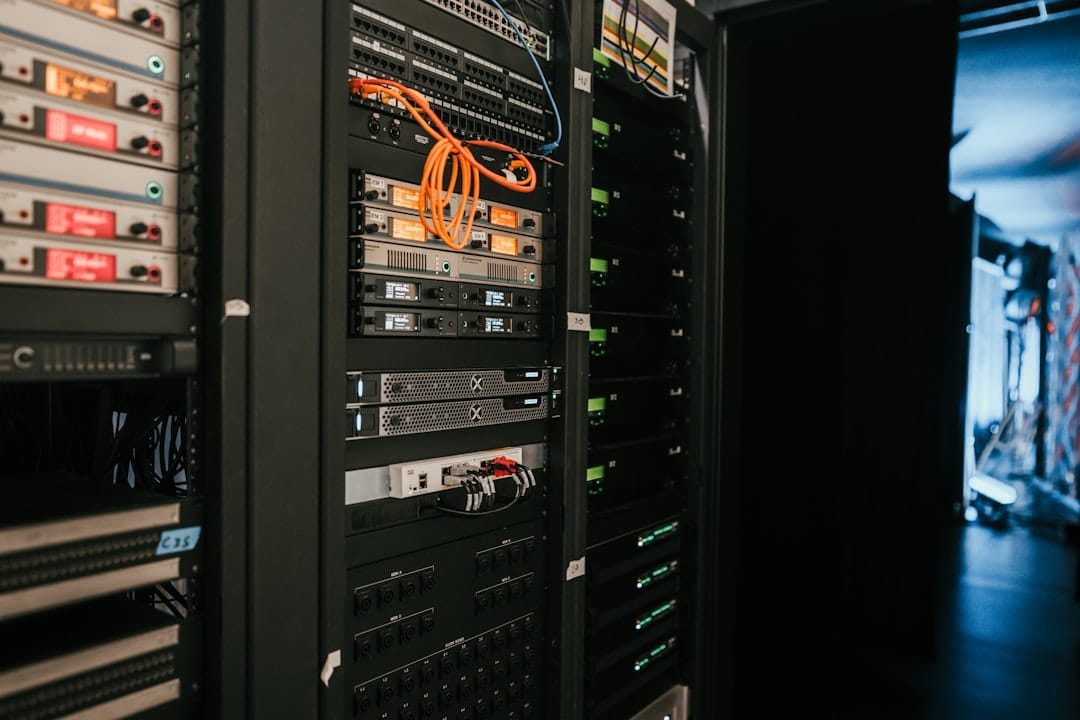
AMD has launched the sixth-generation EPYC 9006 Series server CPUs. The headline for anyone provisioning dense, memory-hungry workloads is simple: 256 cores and 512 threads per processor, with up to 1.6 TB/s of memory bandwidth and PCIe Gen 6 support. That is per socket, in a dual-socket server you can reach 512 cores and 1,024 threads without moving to a different platform.
I track this because the server CPU decision now feeds directly into local AI work. The EPYC 9006 line is built for the high-core-count, memory-bandwidth-heavy jobs that sit alongside GPU inference: data prep, speculative decoding on CPU, vector builds, and the kind of parallel batch work that a homelab or small cluster actually runs. When a single socket offers 256 physical cores and 512 threads, the calculus for what you can do on commodity x86 shifts.
Where the Number Goes to Work
The numbers that matter are per processor:
- 256 cores and 512 threads
- 1.6 TB/s memory bandwidth
- PCIe Gen 6 support
What changed versus the previous generation is the ceiling. If you were sizing a machine last year to fit a given core count, you now need fewer sockets to get there, and the memory bandwidth per socket has climbed. For model loading, KV-cache churn, and any workload that streams data through RAM, 1.6 TB/s is the figure that decides whether a model fits in memory and how fast it moves.
I would not buy for inference on CPU alone just yet. The EPYC 9006 is a server launch, not an edge or workstation part, so the board, memory, and power costs are real. A dual-socket configuration at this core count needs a chassis, power delivery, and memory population that go beyond what most homelabs want to run. But for the person running a serious CPU inference node, a rack-scale build, or a batch pipeline that had been bottlenecked on memory bandwidth, this is the platform to price out.
What This Means for Buying Decisions
The practical read for anyone provisioning servers:
- Fewer sockets per core count. If 256 cores covered your workload, you can do it in one socket and leave the second for memory capacity or other work.
- Memory bandwidth moves up as the binding constraint. The 1.6 TB/s ceiling means large models have more headroom before RAM bandwidth becomes the limit.
- PCIe Gen 6 matters for accelerator attach. If you are hanging GPUs or NVMe off the CPU, the newer interconnect avoids leaving bandwidth on the table.
That last point is the one I would not dismiss. If your server is buying one CPU to sit in front of accelerator cards, the Gen 6 lanes are what keep the CPU from becoming the bottleneck between storage and the GPU.
The Tradeoffs
This is not a part you drop into a mini-ITX board. The EPYC 9006 is a dual-socket server platform with a significant chassis, power, and cooling commitment. TDP figures were not stated in the announcement, but at 256 cores the power envelope is heavy, and the board ecosystem tilts toward data center builds. You are not buying this for a small office rack unless the workload justifies it.
The other gap is that the launch announcement gave the architectural ceiling, not per-part benchmarks. For a buying decision, you want independent numbers on a specific SKU, not the family maximum. I would wait for reviewed results on the actual 256-core part before committing, or at least verify that the model you plan to buy hits the bandwidth you expect. The 1.6 TB/s figure is the family top, not a guarantee on every SKU.
Reference: The Launch Profile
The launch was announced by ASBIS Group on Facebook on 2026-09-14, covering the sixth-generation AMD EPYC 9006 Series. The stated highlights were the 256 cores and 512 threads per processor, memory bandwidth up to 1.6 TB/s, and PCIe Gen 6 support. No pricing was given. The AMD EPYC Venice launch in July already signaled the direction for the platform, and this generation takes the core and bandwidth ceiling further.
What You Should Do
If you are at the ceiling of your current server, sizing up to the 9006 makes sense, but only with verified benchmarks on the exact SKU. If you are evaluating your first dense server, the 256-core option might let you skip the multi-socket complexity. And if your workload is already memory-bound, the 1.6 TB/s ceiling is the number to watch.
Sources:
- ASBIS Group Facebook post (2026-09-14)
- AIMultiple AI Chip Makers article